How Does Neuro-Balance Therapy Work to Boost Balance and Stability?
Ever wondered how Neuro‑Balance Therapy actually helps boost balance and stability? With so many wellness programs out there, it’s natural to want a clear understanding of how it works before committing your time or money. Neuro‑Balance Therapy claims to improve mental and physical equilibrium through targeted techniques and exercises—but does it really deliver results, or is it mostly hype?
In this complete review, we’ll break down how Neuro‑Balance Therapy works, explain the methods behind its approach, explore supporting research, and help you decide if this program could make a noticeable difference in your balance and stability.
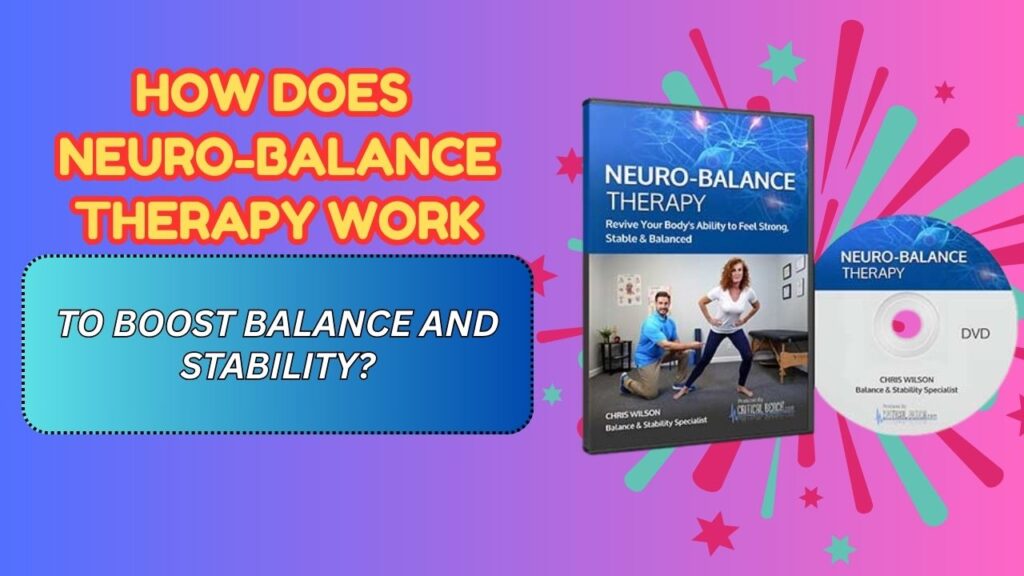
👉 Don’t wait — Order Neuro-Balance Therapy from the Official Site
Quick Recap: What Is Neuro-Balance Therapy?
Neuro-Balance Therapy is a step-by-step balance training system designed to strengthen stability and coordination.
The program typically includes:
- Guided exercise videos
- A structured daily routine
- Balance training techniques
- Nerve stimulation exercises
- A spike ball tool used for nerve activation (in the physical package)
The exercises are designed to be:
- Beginner-friendly
- Low impact
- Quick to complete (usually 10–15 minutes per day)
The goal is to gradually improve balance by strengthening the communication between the brain, nerves, and muscles responsible for posture and movement.
👉 Don’t wait — Order Neuro-Balance Therapy from the Official Site
The Science Behind Neuro-Balance Therapy
Balance in the human body depends on coordination between several systems.
These include:
- The nervous system
- Muscles and joints
- The inner ear (vestibular system)
- Visual input from the eyes
When these systems work together properly, the body can maintain stability even while walking or changing direction.
However, as people age or become less active, the nerve signals responsible for balance may weaken.
Neuro-Balance Therapy focuses on re-activating these nerve signals, particularly those connected to the lower legs and feet.
Step-by-Step: How Neuro-Balance Therapy Works
The program follows a simple process designed to strengthen balance over time.
Step 1: Peroneal Nerve Activation
The first stage focuses on stimulating the peroneal nerve, which runs along the outer part of the lower leg.
This nerve helps control:
- Foot movement
- Leg coordination
- Balance awareness
Users apply gentle pressure using a small spike ball tool to stimulate the nerve and improve its responsiveness.
This stimulation may help strengthen the communication pathway between the brain and lower body.
Step 2: Balance Retraining Exercises
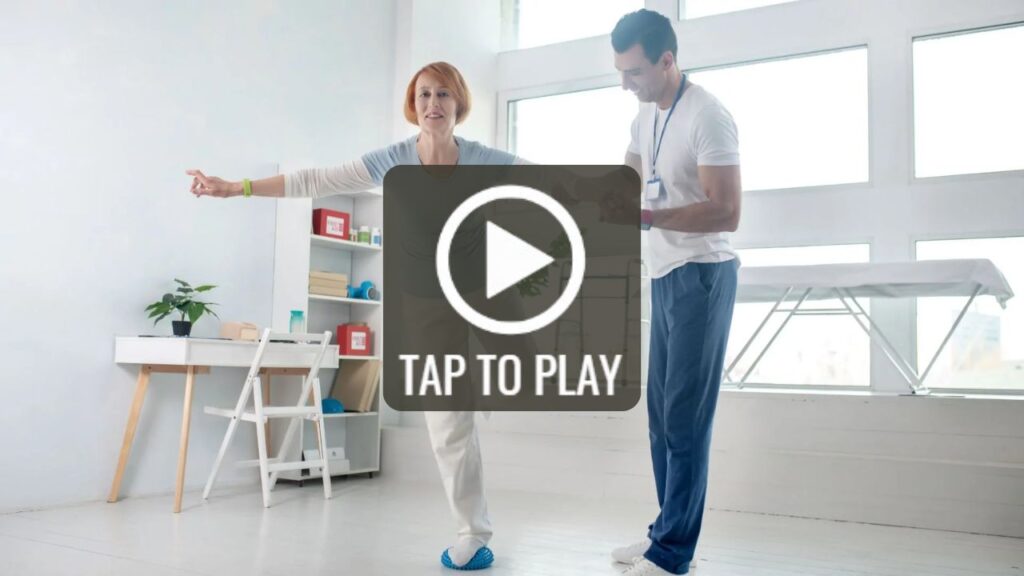
Once the nerve becomes more active, the program introduces balance exercises designed to retrain the brain and muscles.
These exercises help the body learn how to stabilize itself during movement.
Examples may include:
- Standing stability exercises
- Controlled stepping movements
- Posture correction routines
These activities gradually improve coordination and body awareness.
Step 3: Strengthening Stabilizing Muscles
Balance is not controlled by nerves alone. Muscles also play an essential role in stability.
Neuro-Balance Therapy includes exercises designed to strengthen muscles responsible for posture and walking.
These muscles include:
- Core muscles
- Lower leg muscles
- Hip stabilizers
- Ankle support muscles
Stronger muscles help the body maintain better alignment and reduce wobbling while walking.
Step 4: Improving Brain–Body Communication
Over time, repeated practice helps strengthen the connection between the brain and the lower body.
This improved communication allows the brain to react faster when balance is challenged.
As a result, many users experience:
- Faster balance correction
- More stable walking
- Greater confidence in movement
Why the Peroneal Nerve Matters for Balance
The peroneal nerve plays a key role in helping the brain understand where the feet are positioned.
If this nerve becomes weak or less responsive, the brain may struggle to detect small changes in body position.
This can cause:
- Instability while standing
- Difficulty walking on uneven surfaces
- Increased fall risk
Neuro-Balance Therapy focuses heavily on activating this nerve because improving its function can help restore balance awareness.
How Long Does It Take to See Results?
Results vary depending on consistency and physical condition.
However, many users report improvements over several weeks.
Week 1–2
- Increased awareness of body position
- Slight improvements in coordination
Week 3–4
- More stable walking
- Reduced wobbling
Week 6–8
- Noticeable improvement in balance
- Increased confidence while moving
Consistency plays a major role in achieving these results.

Tips for Getting the Best Results with Neuro-Balance Therapy
Following a few best practices can help maximize results.
Practice Daily
Daily repetition strengthens nerve signals and muscle coordination.
Follow the Program in Order
Exercises are designed in a specific sequence to build stability gradually.
Move Regularly
Light activities such as walking help reinforce the benefits of the program.
Stay Patient
Balance improvements take time, so consistent practice is essential.
Common Mistakes to Avoid
Some users fail to see results due to simple mistakes.
Skipping Exercises
Inconsistent practice reduces progress.
Expecting Immediate Results
Balance improvement requires repetition and time.
Stopping the Program Early
Many users begin seeing improvements only after several weeks.
Ignoring Proper Technique
Following the instructions carefully ensures the exercises are effective.
Who Can Benefit from Neuro-Balance Therapy?
The program may be helpful for people who:
- Feel unsteady while walking
- Want to improve balance naturally
- Are concerned about falling
- Prefer home-based exercise routines
It is particularly popular among older adults who want to improve stability without complicated workouts.
Pricing & Best Deals (2026)
Based on the current official pricing, Neuro-Balance Therapy offers two main purchase options.
| Package | Price | What You Get | Shipping |
|---|---|---|---|
| Digital Version | Instant access to the digital program and bonuses | Free | |
| Physical DVD + Spike Ball (Best Seller) | DVD program + spike ball tool + free digital access | Shipping & handling |
Savings: Up to $50 off the regular price.
Refund Policy
Neuro-Balance Therapy includes a 60-day money-back guarantee.
If customers are not satisfied within 60 days, they can request a full refund.
This allows buyers to try the program with minimal financial risk.
Final Verdict: How Neuro-Balance Therapy Improves Balance
Neuro-Balance Therapy works by combining nerve stimulation, balance retraining, and muscle strengthening.
By activating the peroneal nerve and improving coordination between the brain and body, the program aims to help users regain stability and confidence while walking.
Key Benefits
- Improves nerve responsiveness
- Strengthens balance-supporting muscles
- Enhances coordination and posture
- Helps reduce fall risk
When practiced consistently, Neuro-Balance Therapy may provide a simple and effective way to improve balance naturally.
👉 Don’t wait — Order Neuro-Balance Therapy from the Official Site